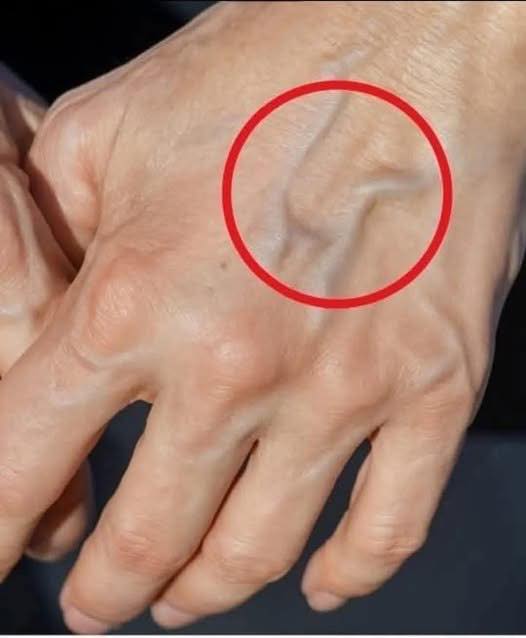
When to Be Concerned: Blue Veins and Underlying Health Issues
While many visible veins are harmless, there are cases where they can indicate a deeper vascular condition, such as varicose veins—a condition more commonly associated with the legs, but which can also affect the hands.
Signs Your Hand Veins May Be Due to Varicose Veins:
- Veins appear enlarged, twisted, or zigzag
- There are multiple lines or bulges on the back of your hands
- You feel pain, tightness, or a dull ache near the veins
- The area is tender or shows signs of inflammation
While varicose veins in the hands are less common than in the legs, they do happen—and they can lead to serious complications if ignored.
What Are Varicose Veins?
Varicose veins occur when vein valves become weak or damaged, causing blood to pool instead of flowing smoothly back to the heart. This causes the veins to stretch and swell, making them more visible and sometimes painful.
In the hands, these symptoms may be subtle at first. But if left untreated, varicose veins can lead to complications such as:
- Thrombosis (blood clots)
- Pulmonary embolism
- Myocardial infarction (heart attack)
- Stroke
If you notice visible blue veins accompanied by pain or discomfort, don’t ignore it. Seek medical evaluation as soon as possible.
Diagnosing the Cause: When to See a Doctor
Any time veins become suddenly more visible, especially with swelling, pain, or tenderness, it’s important to rule out a serious cause.
Your doctor may use:
- Physical examination
- Ultrasound imaging
- Venous function testing
These evaluations help determine whether the veins are simply surface-level or part of a larger circulatory issue.
How to Treat or Improve Blue Veins on the Hands
The good news? If you do have hand varicose veins—or if you simply want to reduce their appearance—there are effective treatment options available.
Mild Cases and Early Intervention:
If the condition is mild, doctors may recommend:
- Compression therapy: Special medical gloves or sleeves that improve circulation
- Lifestyle changes: Regular low-impact exercise (like walking or swimming)
- Diet: A nutrient-rich, anti-inflammatory diet to support vein health
- Hydration: Drinking enough water helps maintain skin elasticity and circulation
These habits can help prevent progression and support overall vein function.
Advanced Medical Treatments for Varicose Veins in the Hands
If you’re dealing with a long-term or severe case, doctors may suggest the following medical treatments:
